
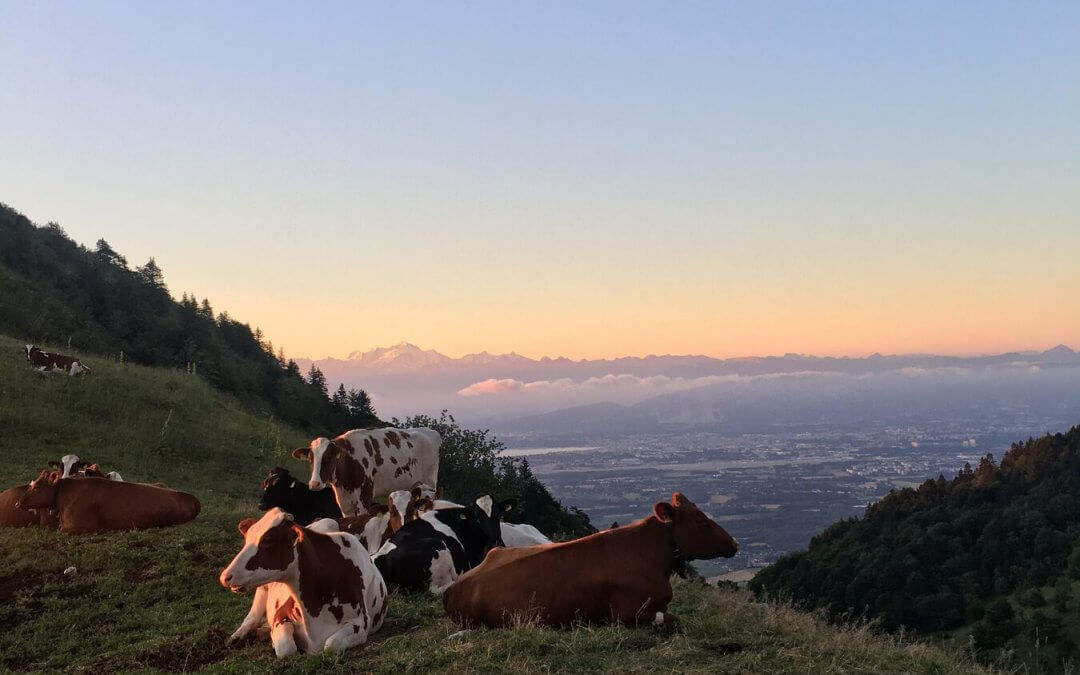
There is a particular silence on the ridges of the Haute Chaîne du Jura early in the morning. You can sense a presence: a chamois breaking away across a scree slope, the shadow of a big raptor sliding over the combes. This mountain above the Pays de Gex shelters wildlife and plants of rare richness, and at times real fragility. Here is how to walk through it without disturbing it.
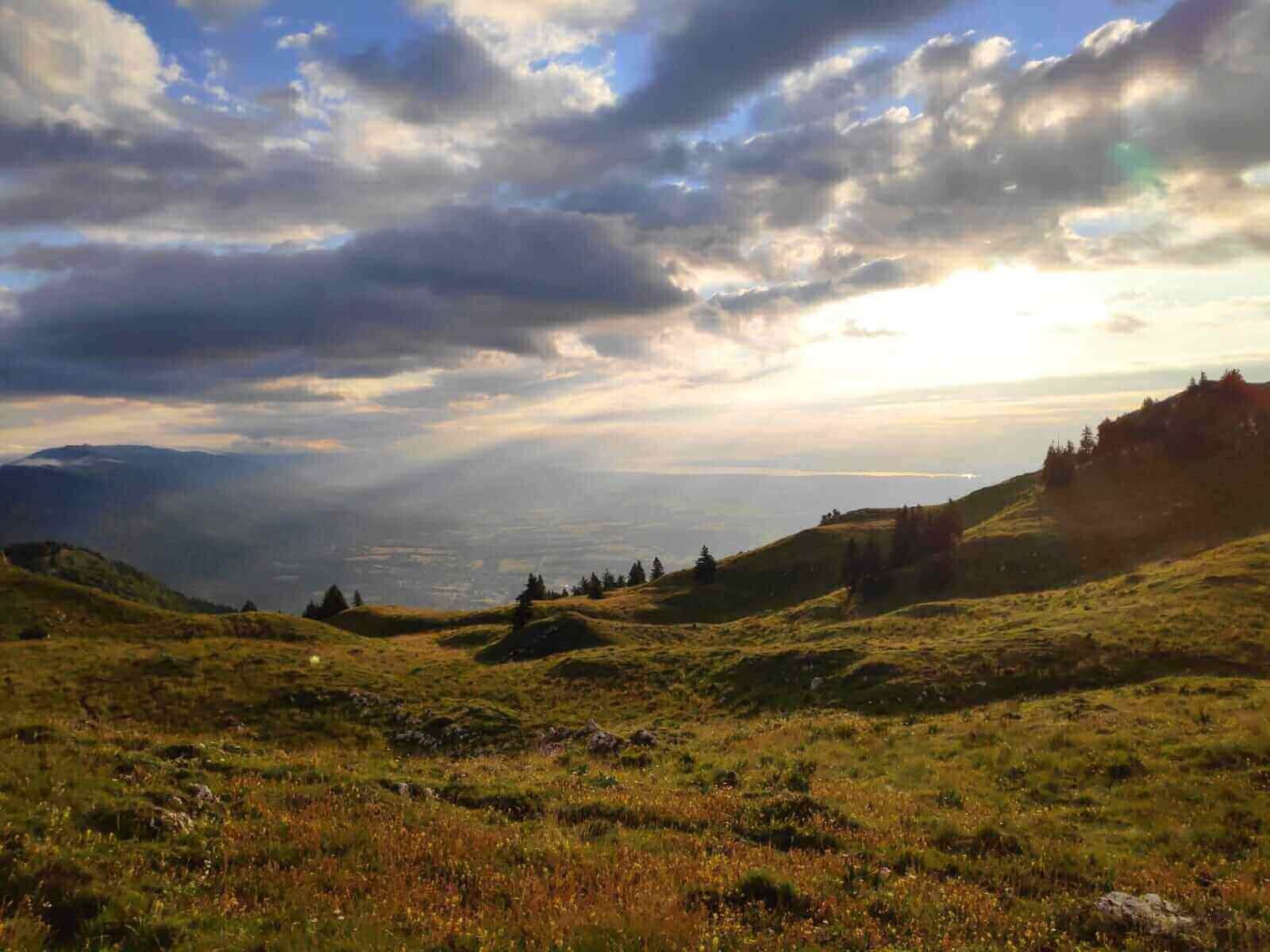
An exceptional nature reserve
The Haute Chaîne du Jura national nature reserve is one of the largest in France. It covers a great part of the range that rises above the Pays de Gex, from beech and fir forests to the summit pastures, by way of cliffs and dry grassland. That diversity of habitats explains the variety of life you meet there, and it justifies the rules that protect it.
The emblematic species
On the wildlife side, the chamois is the most visible, often in small herds on the steep slopes. More discreet, the Eurasian lynx has recolonised the range and finds vast quiet forests here. In the sky, you may catch sight of raptors with a great wingspan. But the most emblematic and the most sensitive species remains the western capercaillie, a forest bird that copes very badly with disturbance, above all in winter and in spring.
On the plant side, the palette changes with altitude and with the seasons: anemones and daffodils in spring, gentians and mountain pasture flowers in summer, carpets of bilberries at the end of summer. Some plants are protected and must never be picked.
The habits that make the difference
Protecting this heritage does not mean giving up hiking, only adopting the right reflexes.
- Stay on the waymarked paths, especially in sensitive areas
- Respect the quiet zones, particularly in winter, which are crucial for the western capercaillie
- Keep your dog on a lead
- Watch animals from a distance, without approaching or feeding them
- Pick nothing and carry all your rubbish back down
- Stay discreet: wildlife shows itself when you let yourself be forgotten
Why it matters
Every disturbance has a cost for a wild animal. A flight in winter is energy lost, energy that may be missing when it comes to surviving until spring. By respecting these simple rules, we keep alive the chance of one day crossing paths with a chamois at sunrise, or of hearing the inhabited silence of these forests. It is also what I pass on in the field with WhyTrek: walk as an observer, not as an intruder.
Fancy discovering the Haute Chaîne du Jura with a guide, in a way that respects the living world? Take a look at our activities.