
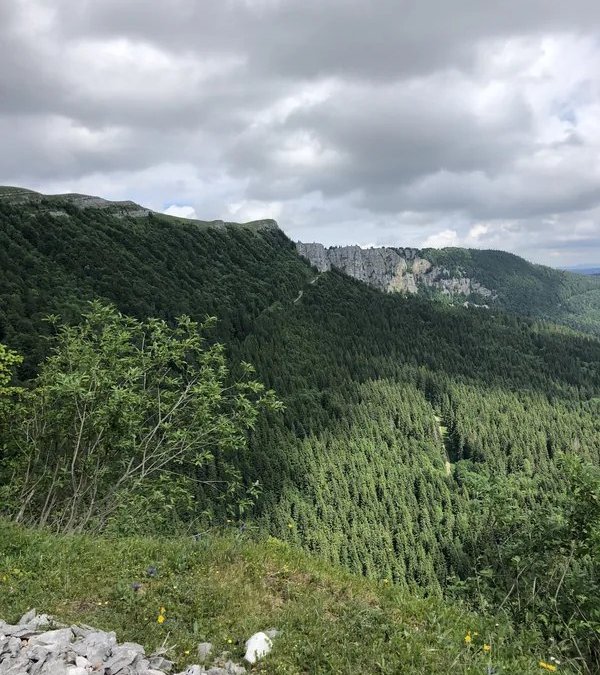
Some of the best mushrooms have a twin that can put you in hospital. Here are the mix-ups never to take lightly.
In the forests of the Jura, nature likes to play with resemblances. Several highly prized mushrooms have a look-alike whose effects run from serious indigestion to deadly danger. I am going to take you through five classic mix-ups, not to turn you into an expert in five minutes, which is impossible, but so that you grasp how trained the eye has to be. At the end, a golden rule worth every guidebook.
This article is for information. It in no way replaces the opinion of a mycologist or a pharmacist looking at a real mushroom. If in doubt, you never eat it.
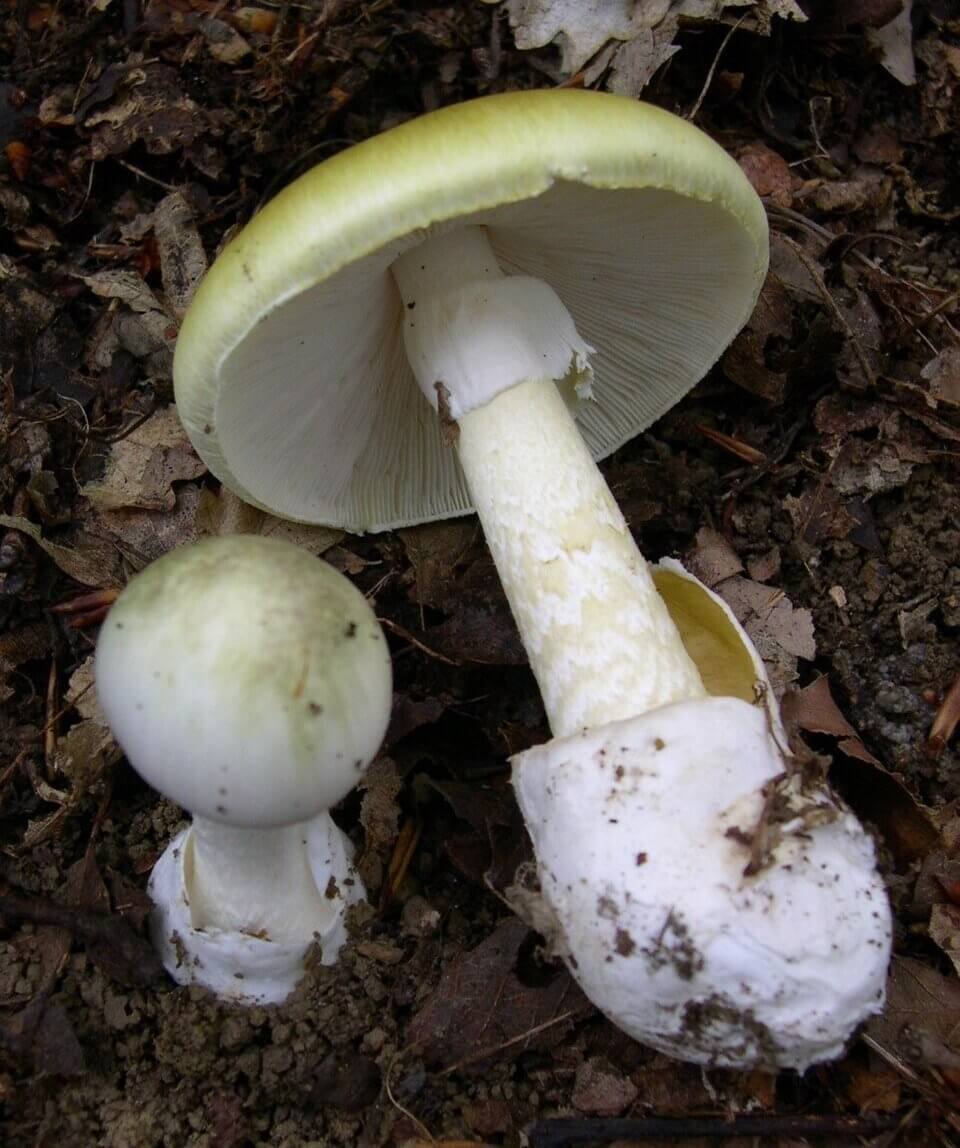
1. The death cap and white-gilled mushrooms
This is the most dangerous of them all, responsible for the great majority of fatal poisonings. When young, its greenish to yellowish cap and white gills can suggest other harmless species to a hurried eye. What gives it away is often at the base of the stem, a sac-shaped volva you will not see if you cut the mushroom instead of lifting it out whole. A single one is enough to cause irreversible damage. In front of a white-gilled mushroom, caution has to be absolute.
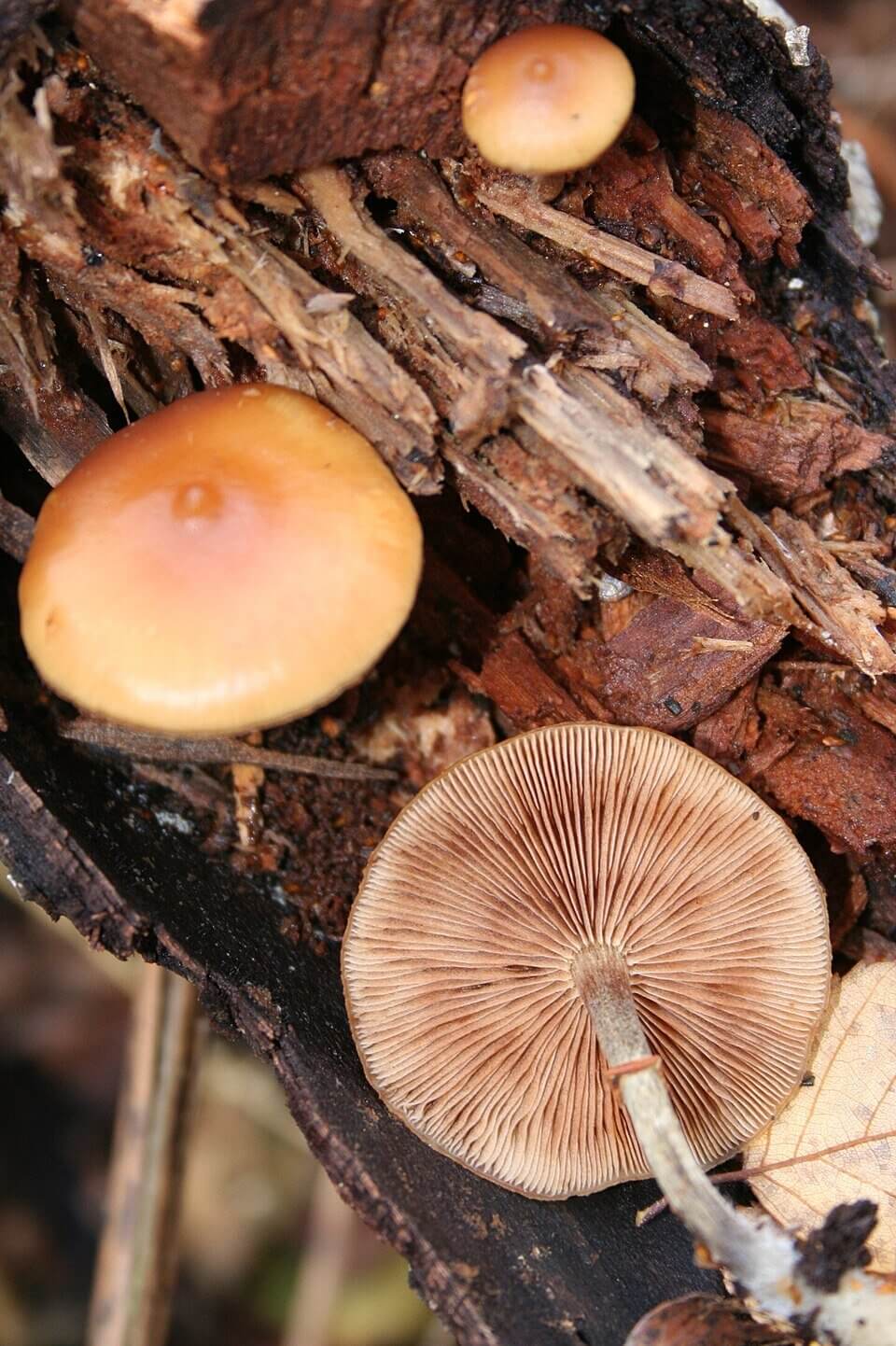
2. The funeral bell and small stump mushrooms
Small, brown, growing in clumps on dead wood, the funeral bell looks like several of the small mushrooms that colonise stumps. The trouble is that it contains the same deadly toxins as the death cap. Foragers who gather small stump mushrooms in bulk without identifying them one by one put themselves in real danger. Here the resemblance is a trap and the margin for error is zero.
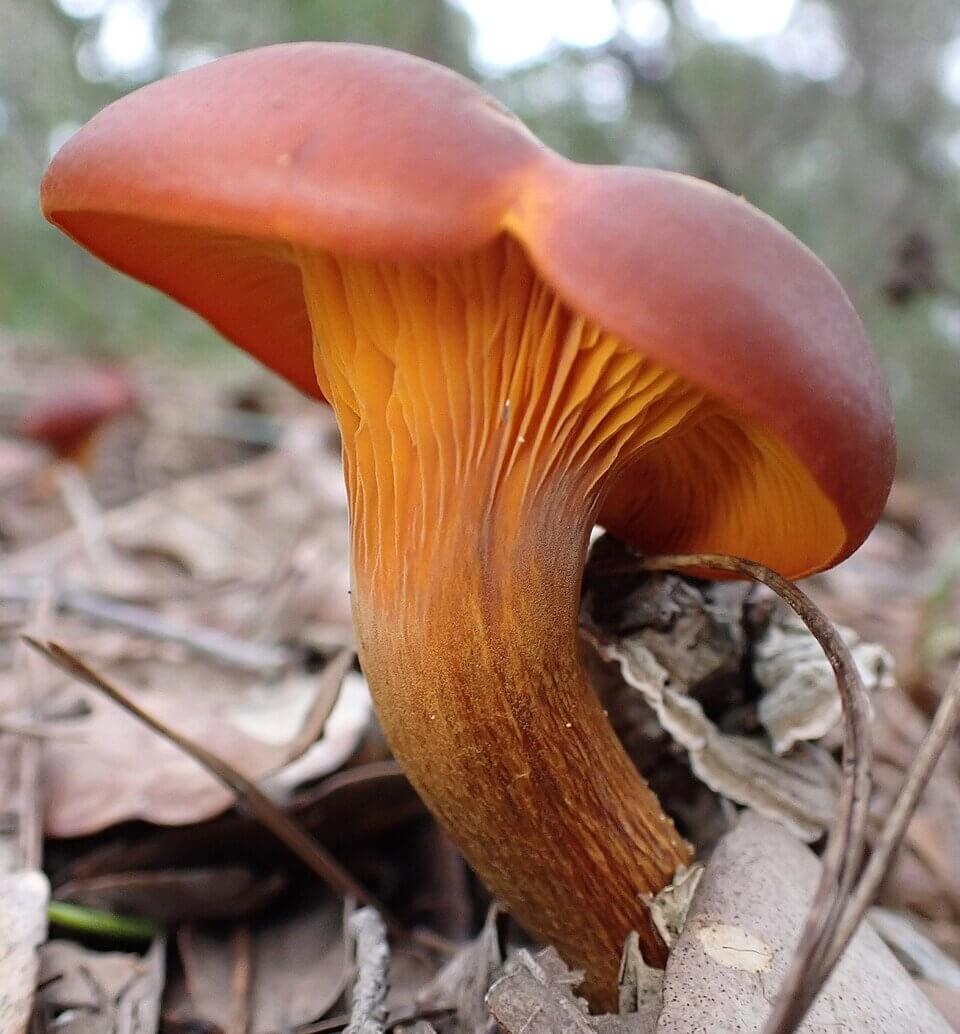
3. The jack-o’-lantern and the chanterelle
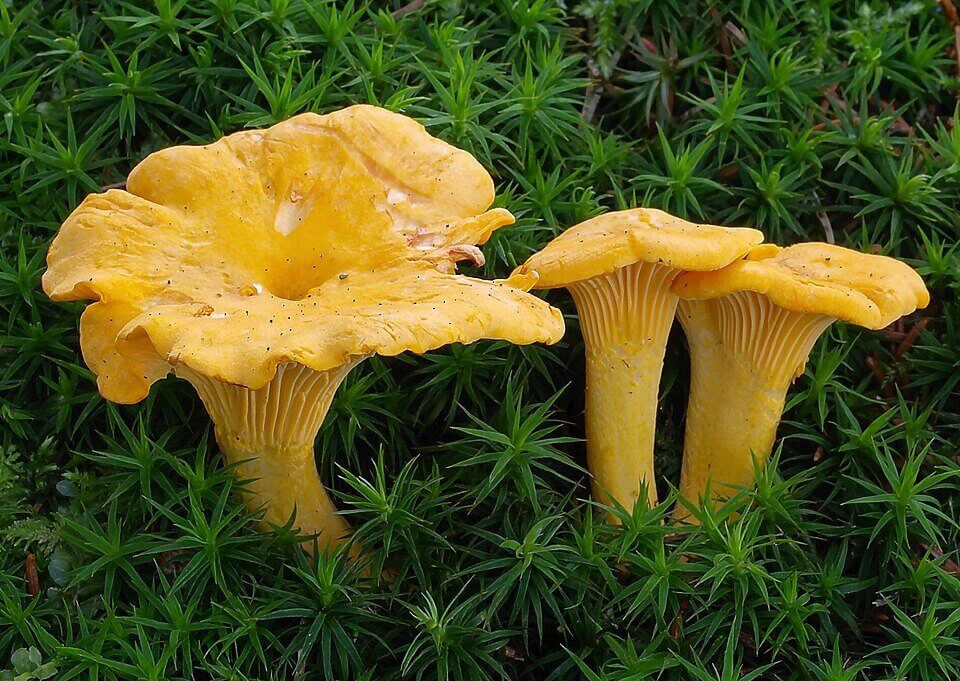
The chanterelle, or girolle, is a star of the basket. Its look-alike, the jack-o’-lantern, wears a fine orange colour that fools a great many people. It often grows in clumps on stumps, where the true chanterelle comes out of the ground, and its gills are quite different once you know how to read them. This mix-up does not kill, but it causes severe digestive upset. It is the kind of mistake that ruins an evening and a reminder that a pretty colour guarantees nothing.
4. The devil’s bolete and the cep
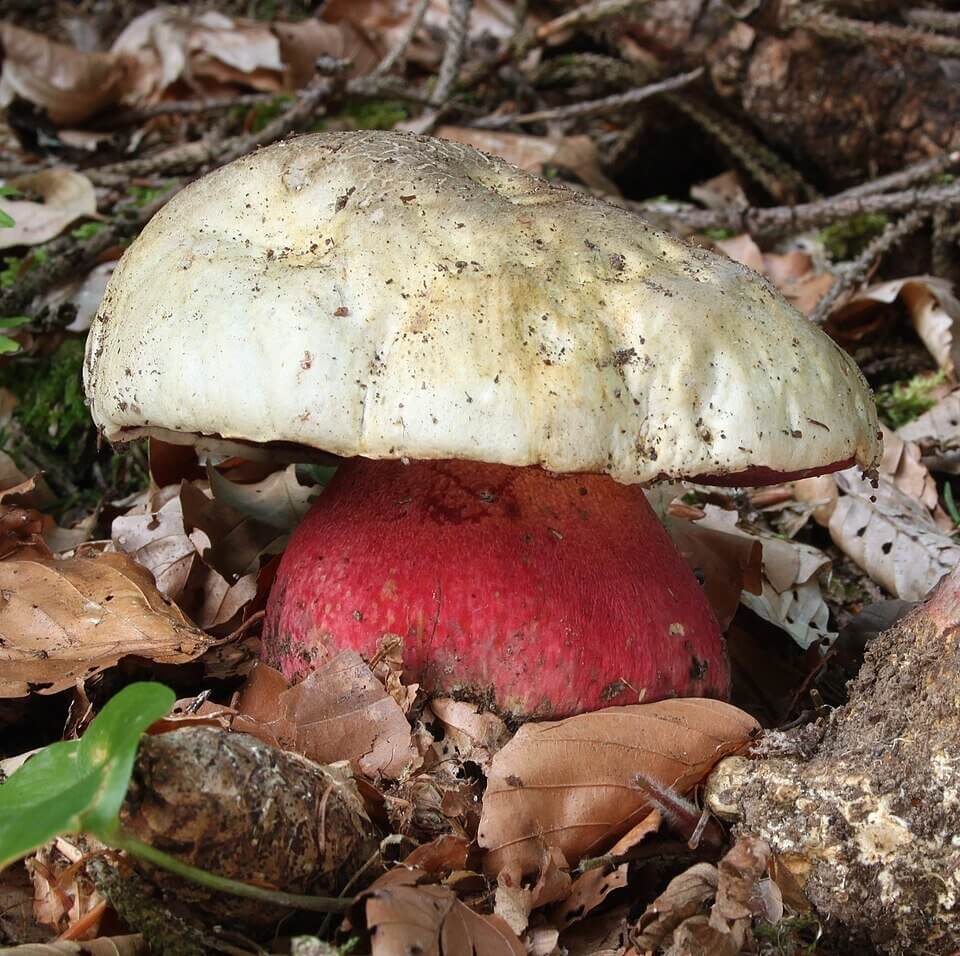
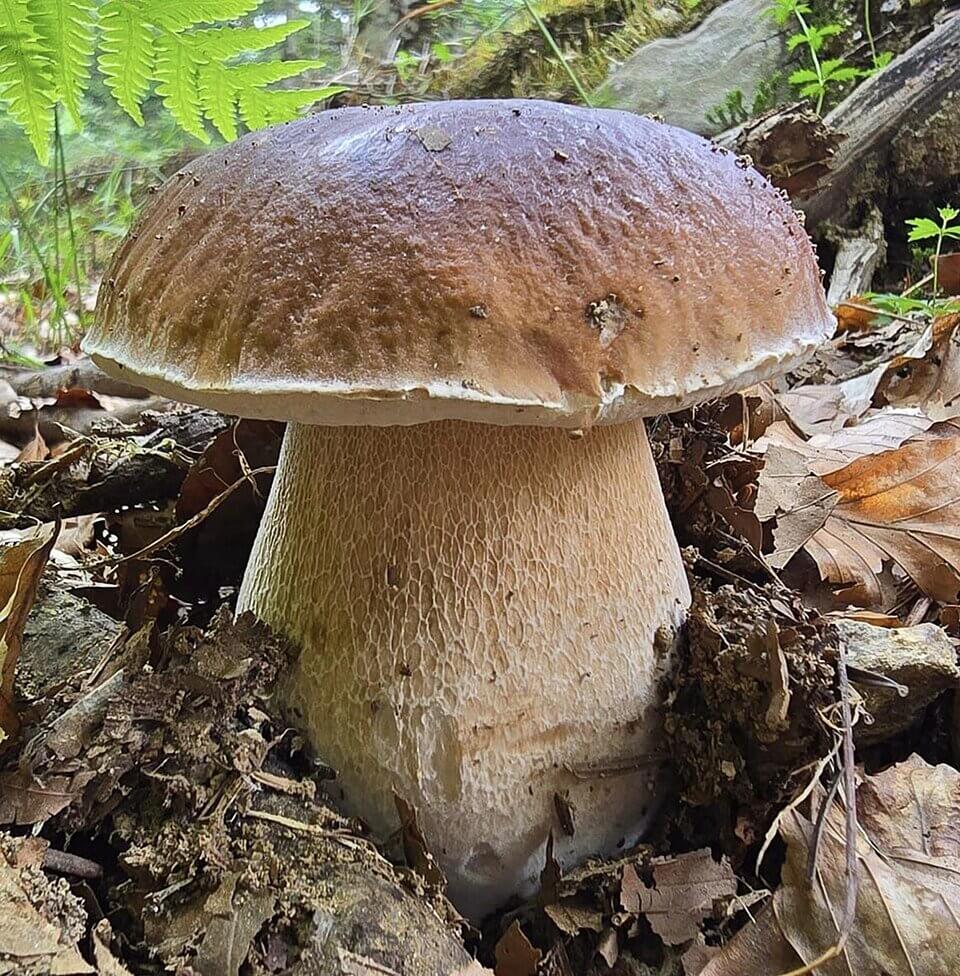
Everyone dreams of coming across a cep. But several boletes look like it, among them the devil’s bolete, which is poisonous and can provoke violent digestive reactions. The clues hide in the details, the colour of the stem, the colour of the pores, the way the flesh reacts when you cut it. The beginner mostly registers the big fleshy outline and celebrates too soon. Here again, serious identification comes from examination, not from enthusiasm.
5. The livid pinkgill and edible grassland mushrooms
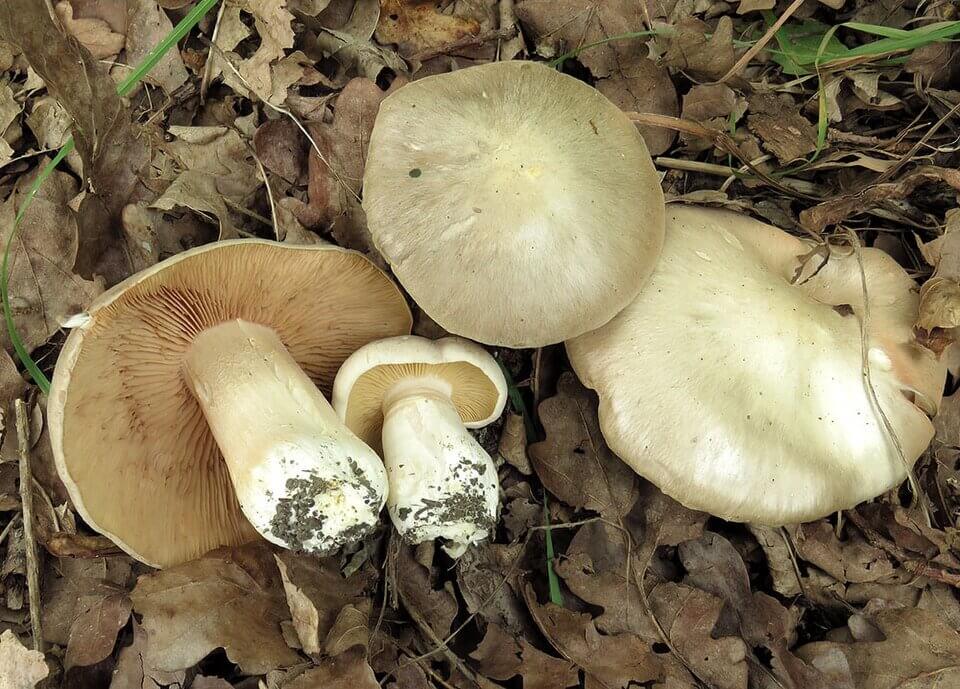
The livid pinkgill is one of the main causes of serious poisonings in France. It resembles several prized grassland mushrooms, with its pale colour and firm flesh. Its toxicity causes violent digestive upset. Telling it apart takes an experienced eye, and it is exactly the kind of species that traps anyone relying on a vague resemblance of shape and colour.
The golden rule worth every guidebook
Remember this above all the rest. If in doubt, do not eat it. A mushroom you are not one hundred per cent sure of, confirmed by a competent person or a trained pharmacist, stays in the woods. No meal is worth the risk. That is also why on a RandoSpores we observe and identify together, but we never eat anything. The aim is to learn to recognise, to see the details that save you, and to build that reflex of caution that makes a good forager.
To lay the groundwork before you start, read also the five beginner mistakes to avoid, and find out how an outing works on the RandoSpores page.
On the same subject
- Mushroom foraging: 5 beginner mistakes
- A family mushroom outing in the Jura
- The overlooked role of mycelium in the forest
Learn to tell the real thing from the look-alike
On a RandoSpores, in the woods of the Jura, I show you the details that matter, safely and without ever eating anything. Join the RandoSpores WhatsApp group for the next dates of the season.